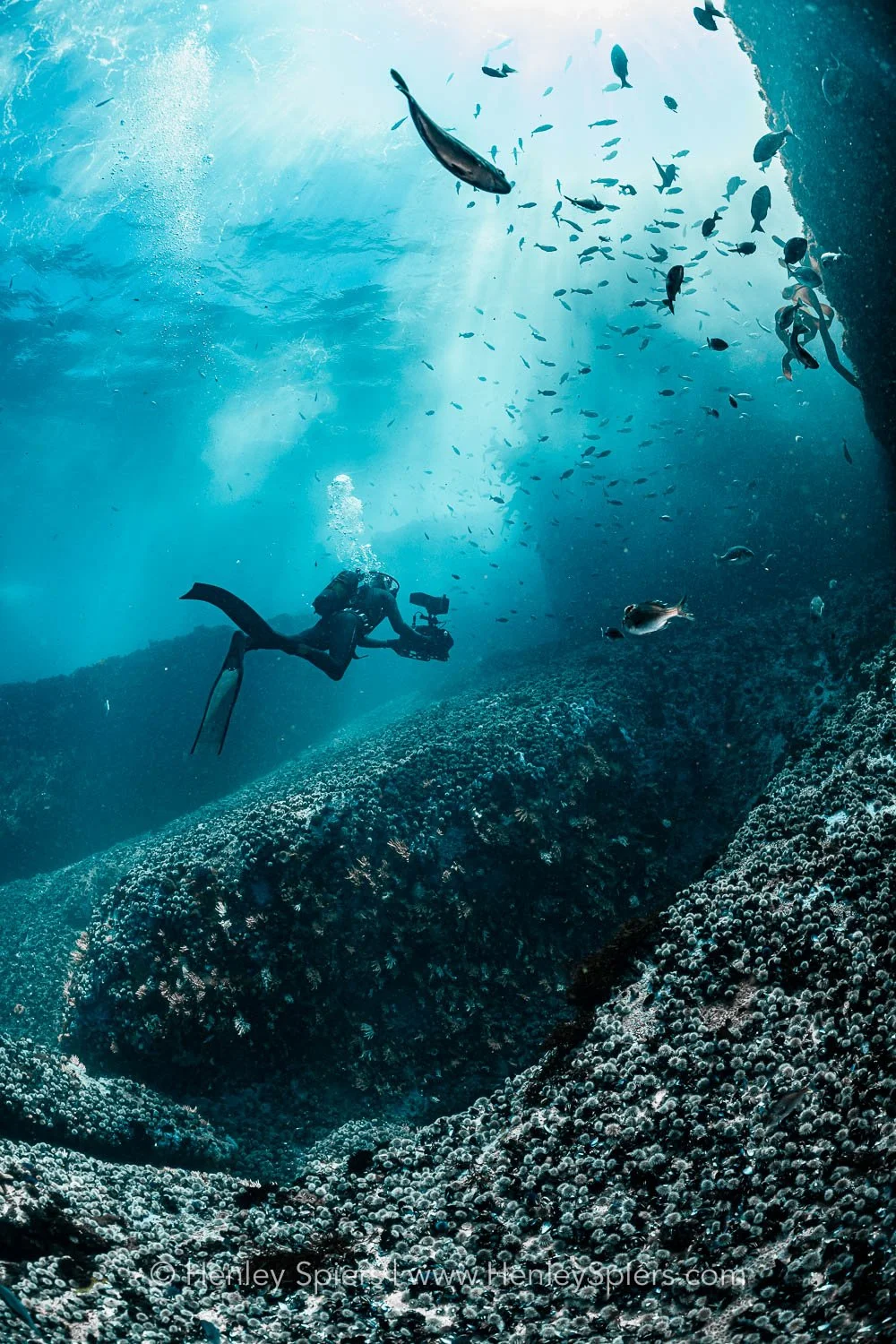
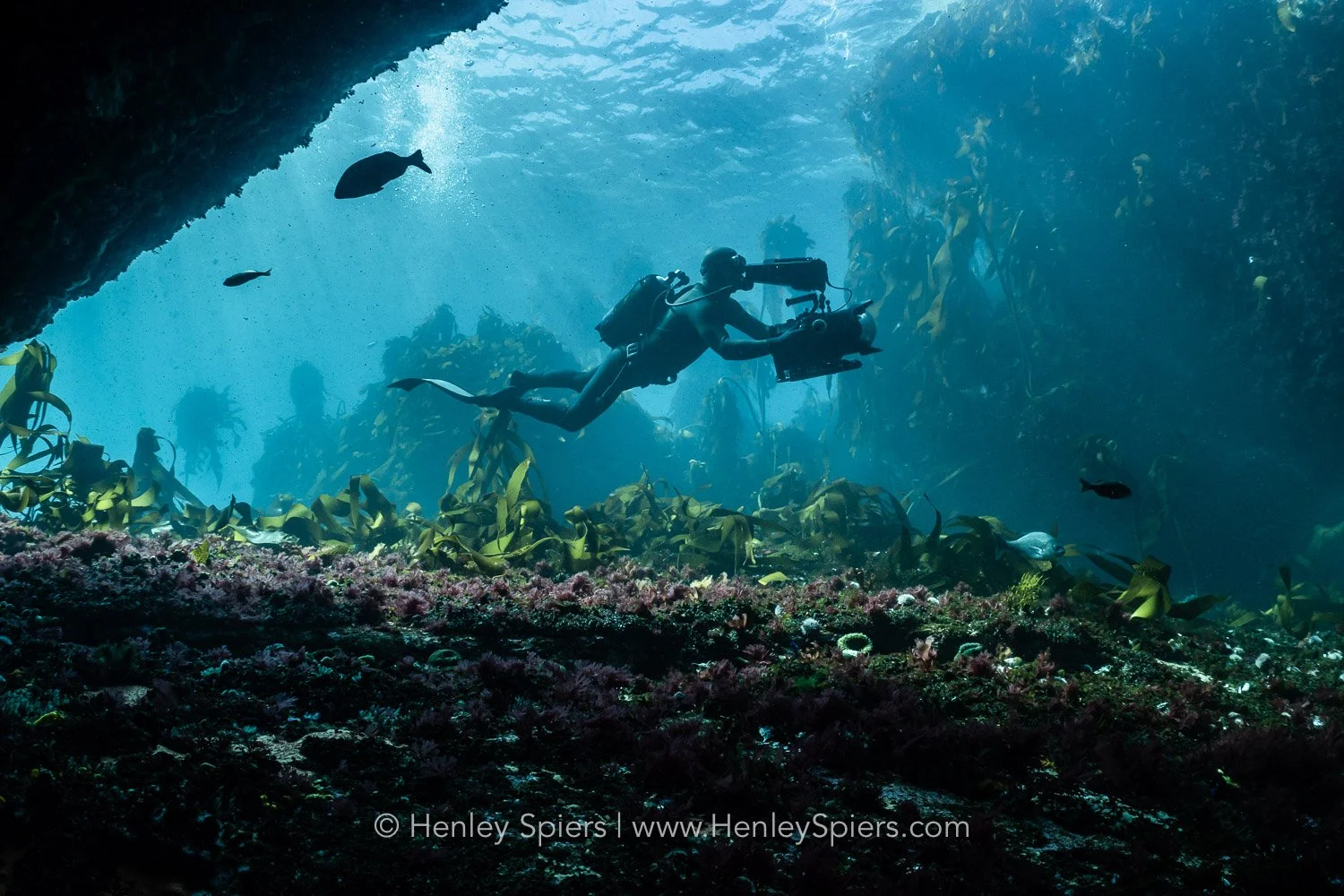
For most people, natural history documentaries are the primary way they connect with the ocean. Yet the individuals behind the lens are largely invisible. Compared with stills photographers, wildlife cinematographers maintain a far lower public profile. This is, in large part, a necessity: productions often span three to four years from conception to release, with strict NDAs keeping projects and stories tightly under wraps. The footage itself is also inherently collaborative and belongs to the production company rather than the camera operator. Perhaps for these reasons, even the finest underwater cinematographers are far less widely known or celebrated than their counterparts in stills photography.
Within the industry, however, certain camera operators command the same respect as figures such as David Doubilet or Laurent Ballesta in the stills world. Roger Horrocks is one such individual—a living legend in underwater natural history filmmaking, and one of a very small number of names that come to mind when seeking the very best in the field. He served as director of photography on the Oscar-winning My Octopus Teacher and was responsible for some of the most iconic sequences in Blue Planet II, alongside a vast body of work across many other documentaries.
“In the water, he moves with rare grace—like a human camera dolly—capturing footage that consistently astonishes both audiences and peers alike.”
In early 2025, I was accepted into the first cohort of students for Roger’s Ocean Footage Masterclass, an intensive online course and mentoring programme focused on achieving blue-chip filmmaking standards underwater. Later that year, I travelled to Cape Town, South Africa—Roger’s home base—for a creative collaboration exploring the differing approaches of stills photography and filmmaking beneath the surface.
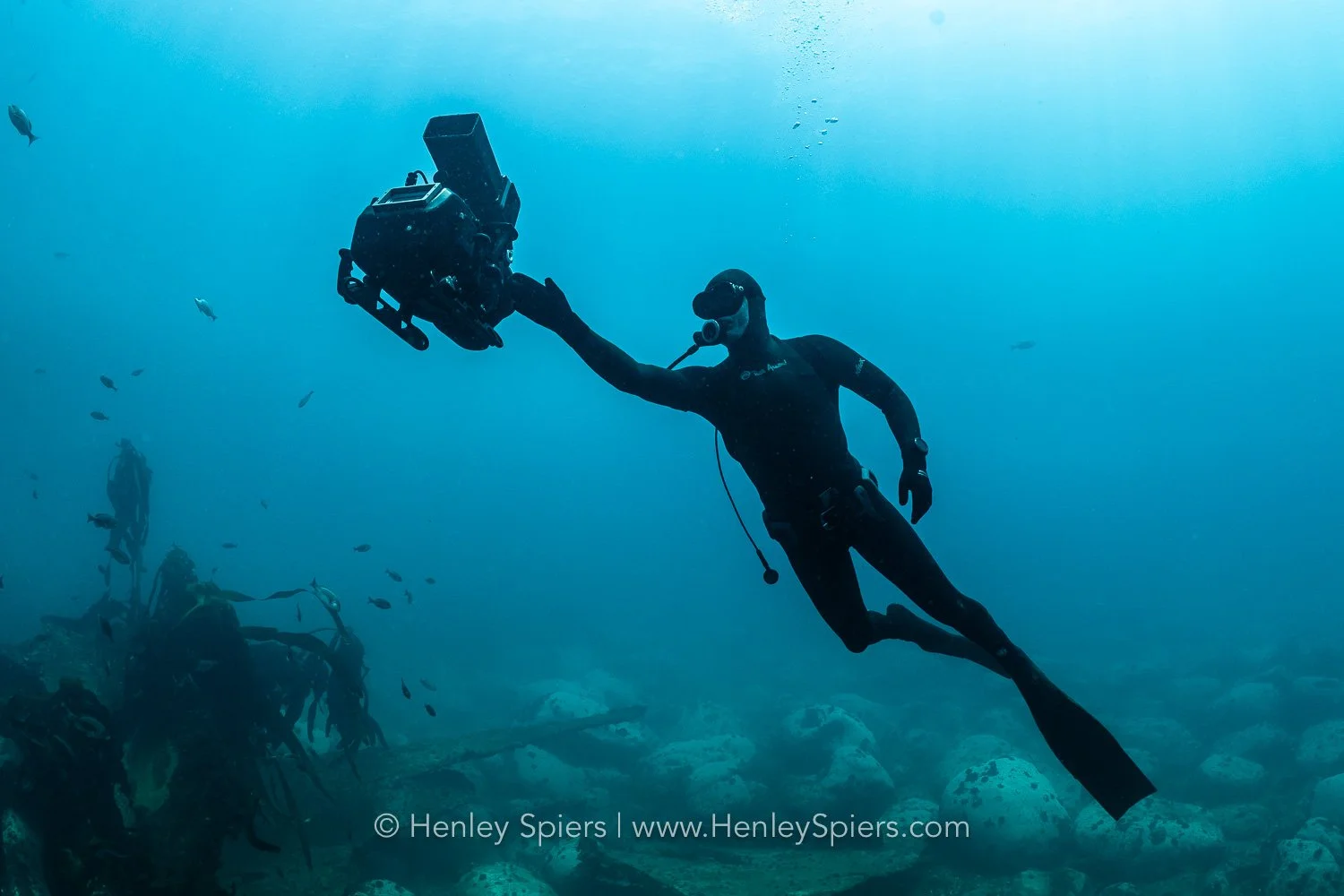
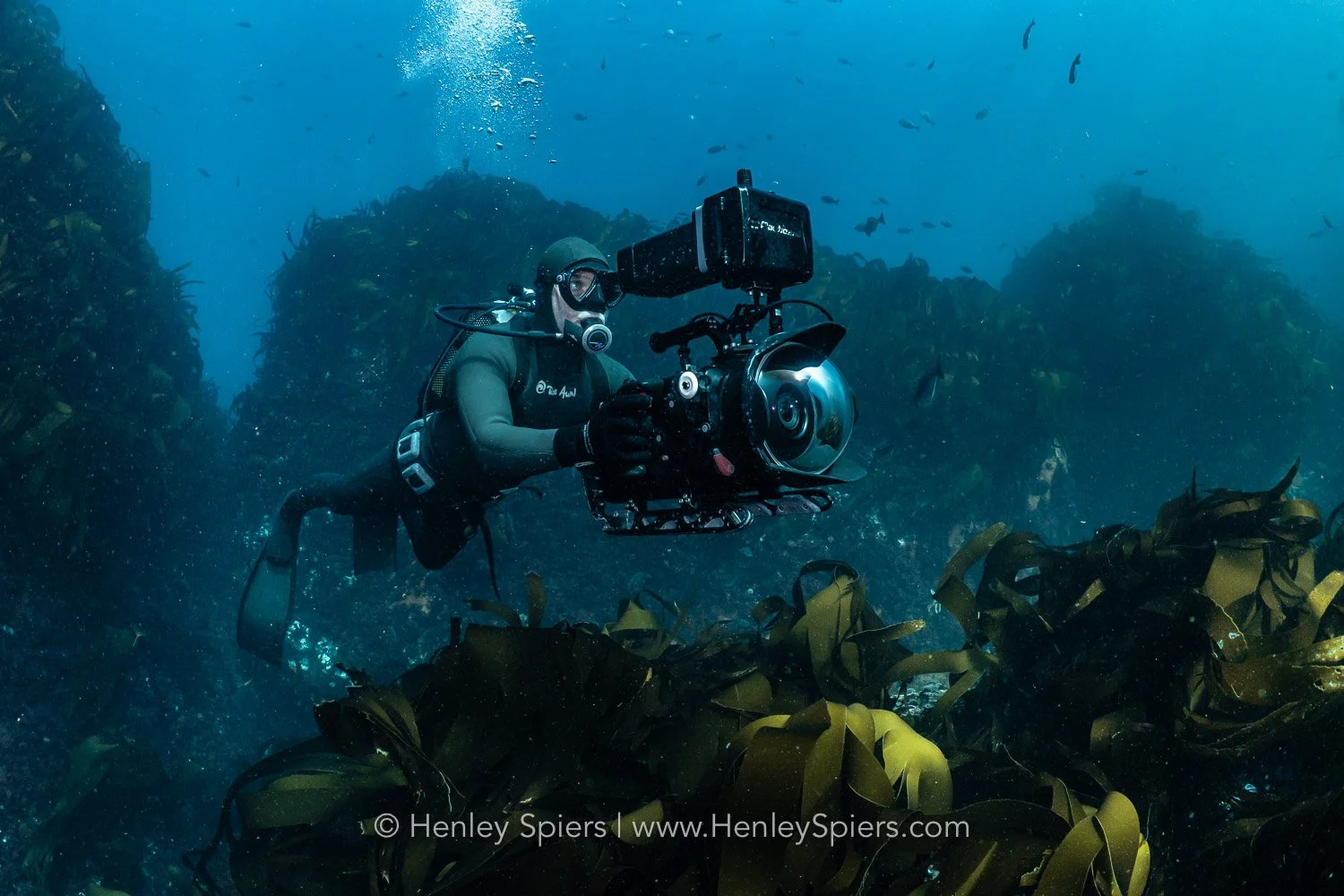
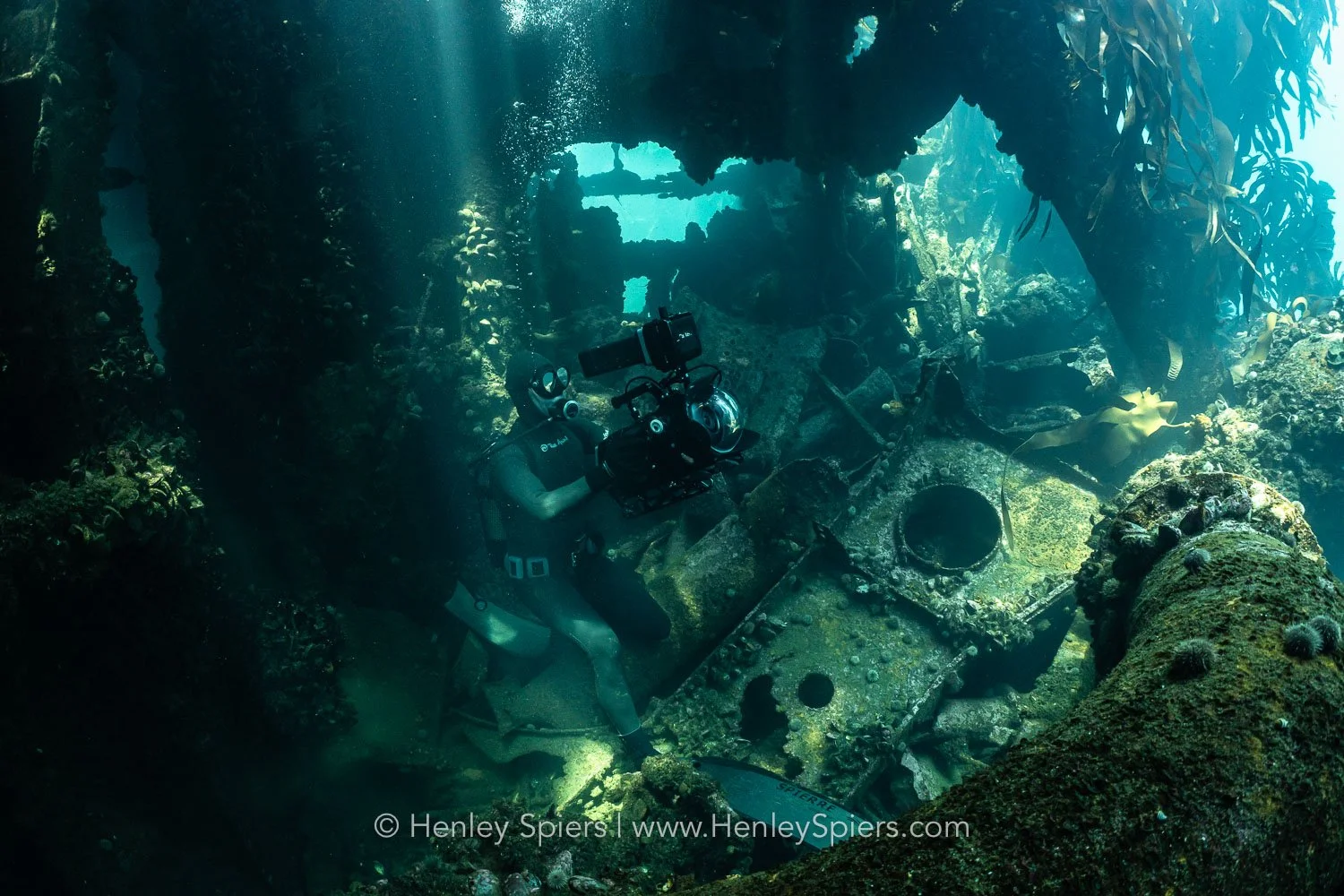
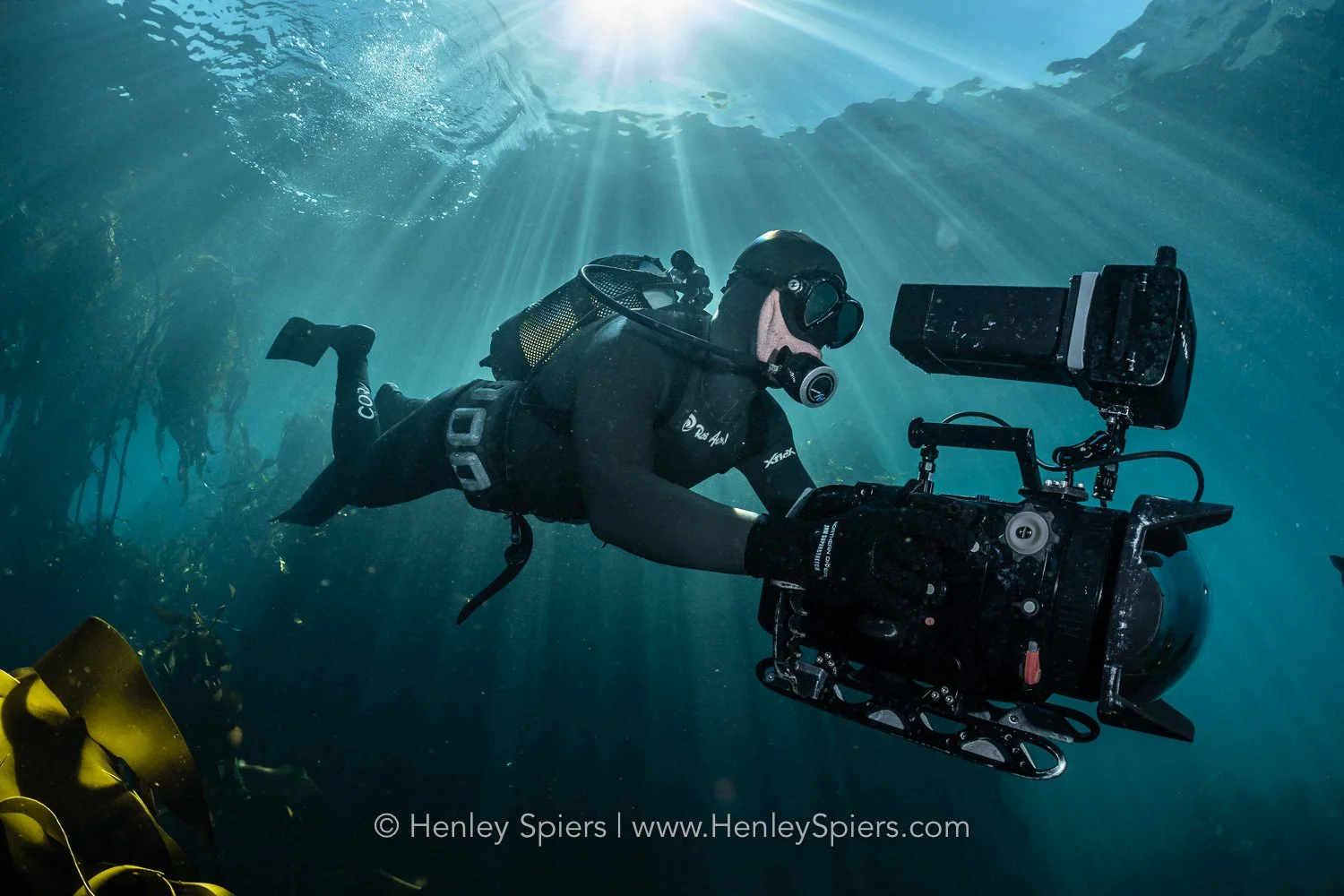
At 56, Roger possesses the athleticism and energy of someone decades younger. He pairs a deep love of philosophy with a hard-edged, practical drive to continually refine both himself and his craft. Organised, calm, and unflappable, he is exactly the kind of person you would want beside you in a foxhole. In the water, he moves with rare grace—like a human camera dolly—capturing footage that consistently astonishes both audiences and peers alike.
Through his teaching and our time working together, I gained a unique insight into Roger as both a person and a professional. His journey and his approach proved endlessly compelling, and this interview was conducted to share his story with a wider audience.
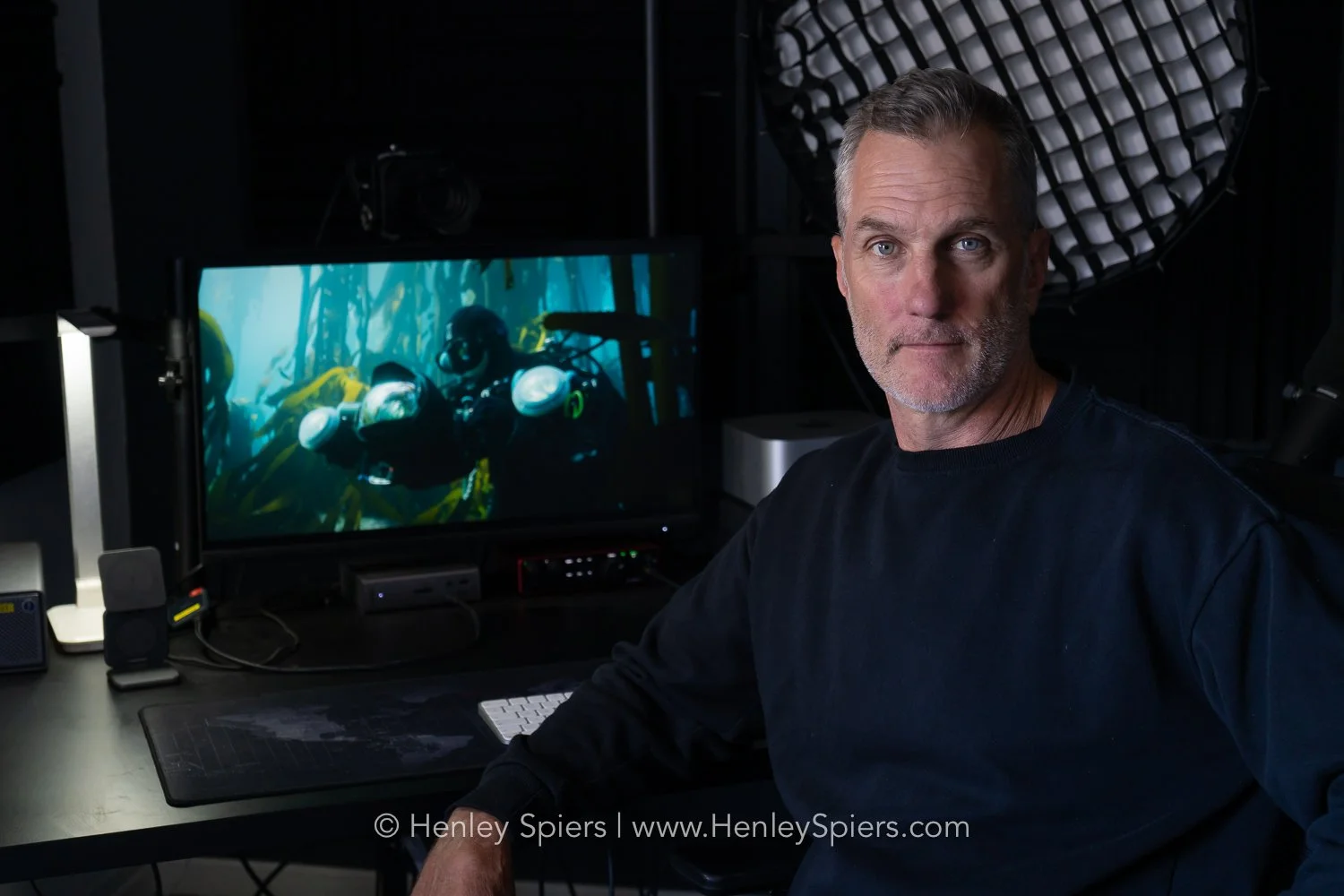
Q: Roger, to begin at the beginning, how did your relationship with the ocean first take shape?
A: The ocean was part of my life from very early on. I was born inland, but my family moved to the coast when I was young, and from that point the sea became a constant presence. My father was a spearfisherman, so there was always this sense of adventure and purpose around the ocean—going down to collect mussels, foraging, spending time in the water. I later became a lifeguard, which made me a strong swimmer and very comfortable in the ocean. That early initiation really shaped me, even though at the time I never imagined it would become my profession.
Q: Did you see any realistic career paths connected to the ocean while you were growing up?
A: Not at all. Growing up in South Africa in the 1980s, the options felt very narrow. It was lawyer, doctor, engineer, accountant—those were the acceptable paths. There was no internet and very little visibility of creative or ocean-based careers. I wasn’t strong at maths or science, so I gravitated toward the humanities and planned to become an advocate. The ocean was something I loved deeply, but it lived firmly in the category of recreation rather than work.
Q: Spearfishing seems to have played a major role in your life. How important was that phase?
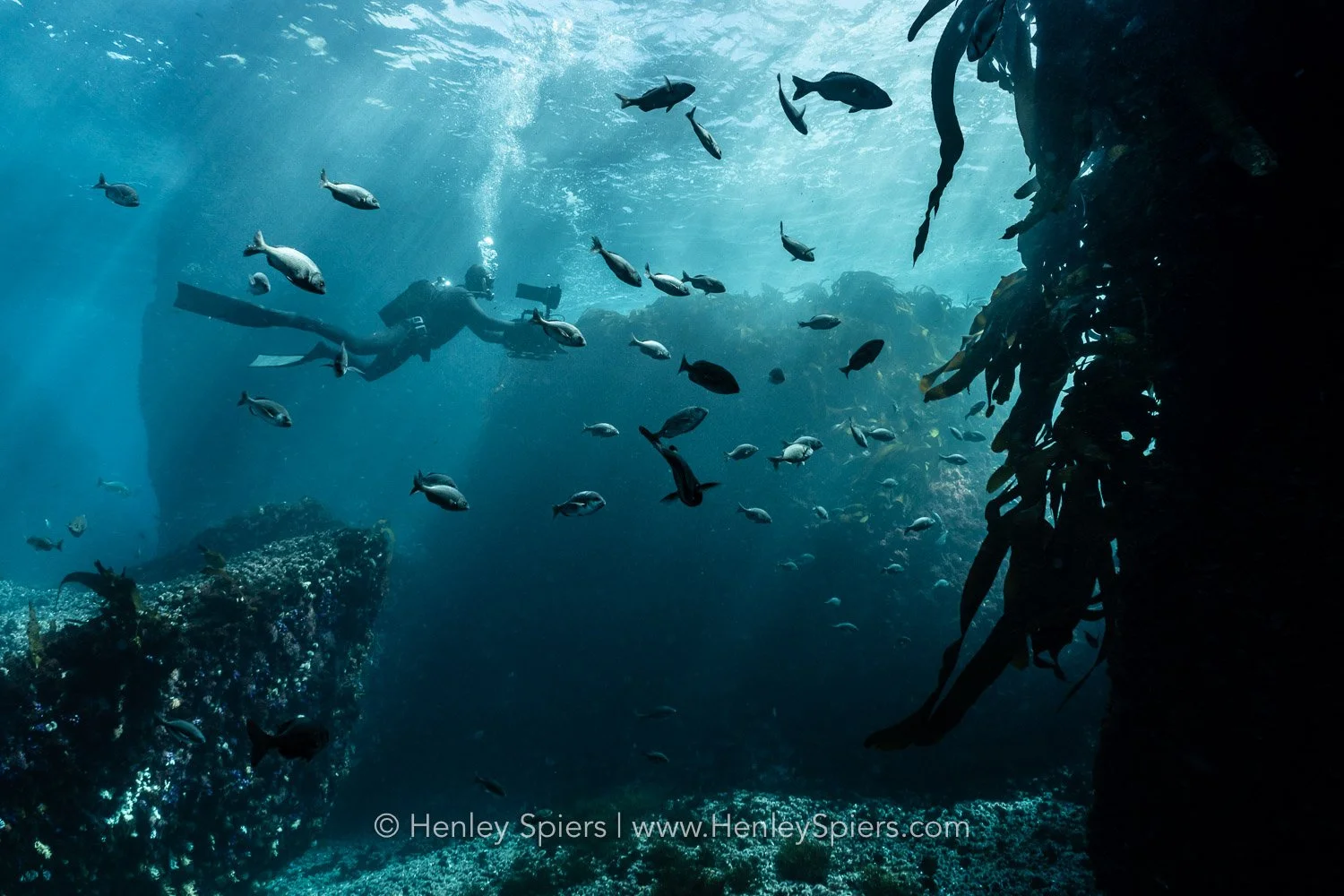
A: It was absolutely formative. While studying at university, I became completely absorbed by spearfishing and freediving. I competed at a high level and freedived to depths of around 42 metres. For a period, it dominated my life. I even structured my postgraduate studies around the weather—diving when conditions were good and studying when they weren’t. I never completed that degree, but what I gained instead were elite water skills, discipline, confidence under pressure, and an embodied understanding of the ocean that has stayed with me ever since.
Q: Eventually, you stepped away from that and entered the corporate world. How did that transition happen?
A: Financial reality eventually caught up with me. I entered the emerging digital and multimedia industry in the late 1990s, right as the internet was beginning to reshape advertising and communication. I worked in advertising, taught digital tools like Photoshop and video editing, and eventually became a digital executive focused on business transformation. That career lasted about ten years and culminated in me doing an MBA at the University of Cape Town, which I eventually abandoned to follow my passion for adventure.
“People often say I was brave to leave, but it didn’t feel like bravery—it felt like necessity. I just couldn’t do it anymore.”
Q: On paper, that sounds like success. Why did you leave?
A: It was a crisis of meaning rather than courage. I simply stopped believing in what I was doing. I couldn’t imagine spending the rest of my life sitting in a box managing conversations about market share and corporate strategy. People often say I was brave to leave, but it didn’t feel like bravery—it felt like necessity. I just couldn’t do it anymore.
Q: What was that transition period like for you personally?
A: Very unsettling. I lost my professional identity almost overnight. When people asked, “What do you do?”, I didn’t have an answer, and that was deeply uncomfortable. I’d always been driven to be competent and accomplished, so suddenly being in this undefined space was hard. But it was also a period of intense growth. When you step into that unknown space, opportunities emerge that you could never have planned for.
“I think a lot of photographers and filmmakers are modern hunter-gatherers. We’re not hunting animals, but images—symbolic prey. ”
Q: When did cameras and filmmaking start to play a more serious role in your life?
A: I’d always been interested in cameras. My grandfather was an accomplished amateur photographer, and my father owned cameras as well. Around 2000, I bought a Handycam and started filming family life. I was fascinated by the moving image. Later, as I started doing more extreme adventures—long expeditions, marine treks, adventure races—I began documenting those experiences more intentionally. Looking back, that was the bridge between adventure and filmmaking.
Q: You’ve spoken about the idea of being a “digital hunter.” How does that relate to image-making?
A: I think a lot of photographers and filmmakers are modern hunter-gatherers. We’re not hunting animals, but images—symbolic prey. The instinct is the same: tracking, patience, anticipation, decisiveness. In my case, I simply replaced the speargun with a camera. That hunting mindset has informed the way I work underwater ever since.
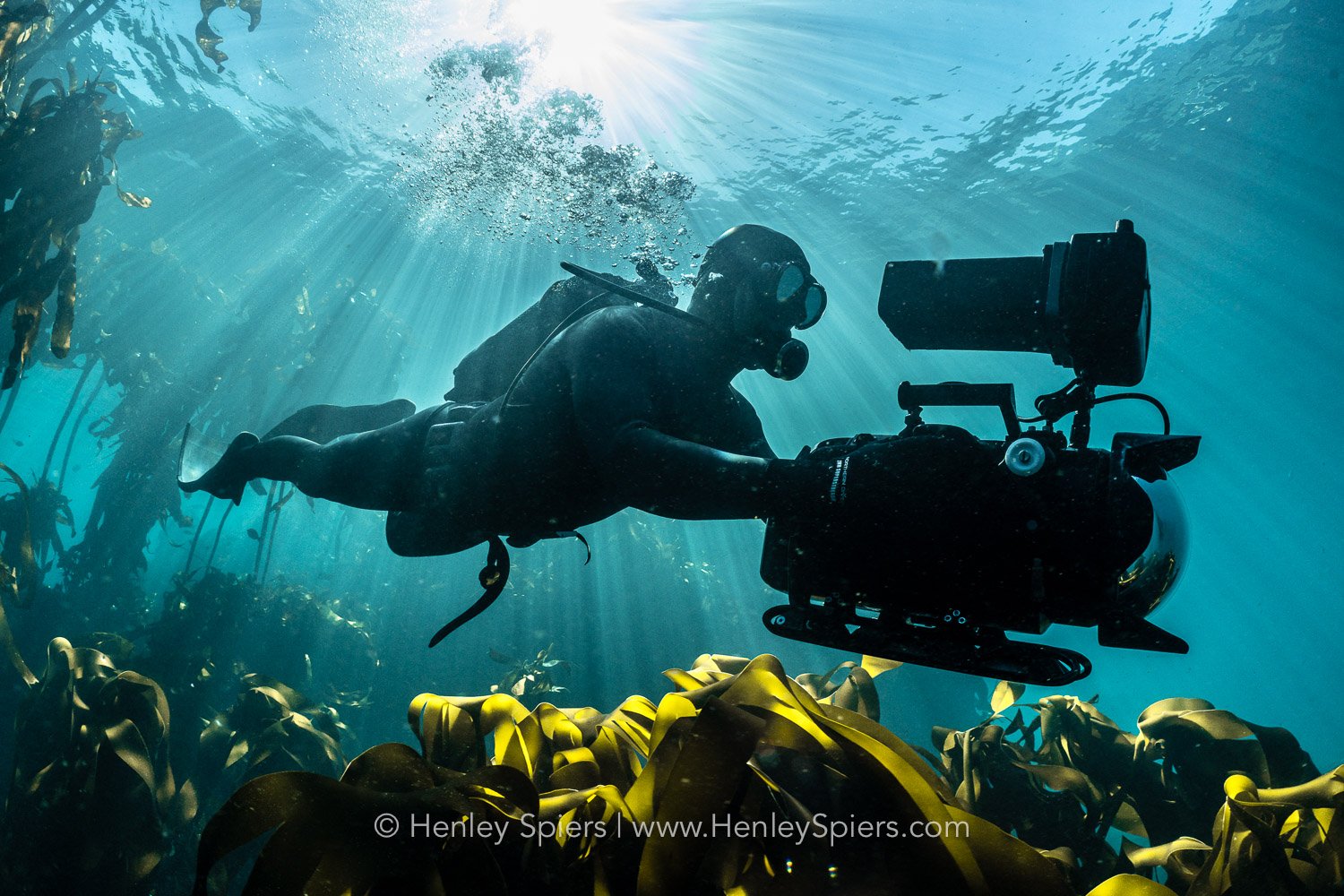
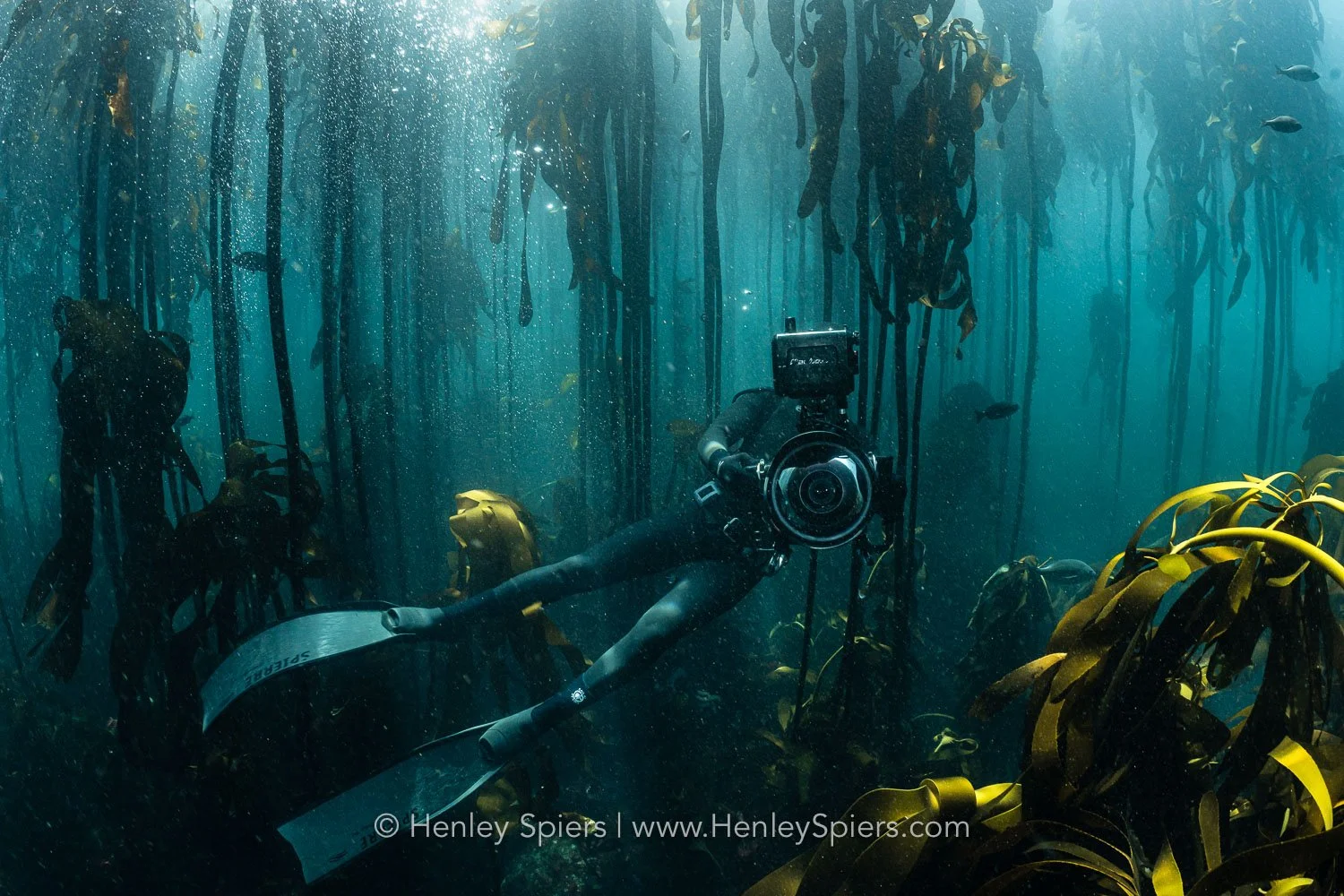
Q: How did you first enter the world of professional natural history filmmaking?
A: Through relationships. Via a spearfishing contact, Mark Addision, I got work as an assistant on BBC shoots with Direcor and Filmmaker Hugh Pearson. Suddenly I was meeting people like Didier Noirot, who was one of Jacques Cousteau's cameramen, and Justin Maguire—people whose existence as wildlife camera professionals I hadn’t even been aware of. It was a revelation. But I entered late, at 36, with very shaky finances and no guarantee of work. It was a tough apprenticeship.
“Trust is everything. You’re sending small teams into the field with enormous budgets, and producers need to know you can deliver.”
Q: What were those early years in the industry like?
A: Very lean. I might get one or two shoots a year. To survive, I leaned heavily into stills photography and photojournalism. I shot obsessively, often for very little money, and took whatever work I could to stay viable. I was determined to remain independent enough that if a shoot came up, I could say yes immediately. Those years were hard, but they were essential.
Q: The natural history industry seems intensely trust-based. How did you earn that trust?
A: Trust is everything. You’re sending small teams into the field with enormous budgets, and producers need to know you can deliver. My first real break came when a fixer, Lloyd Edwards, strongly recommended me for a bait-ball shoot. I delivered on that job, which led to extended dolphin shoots in Mozambique for John Downer… That sustained field time allowed me to prove consistency, and that’s what changes everything.
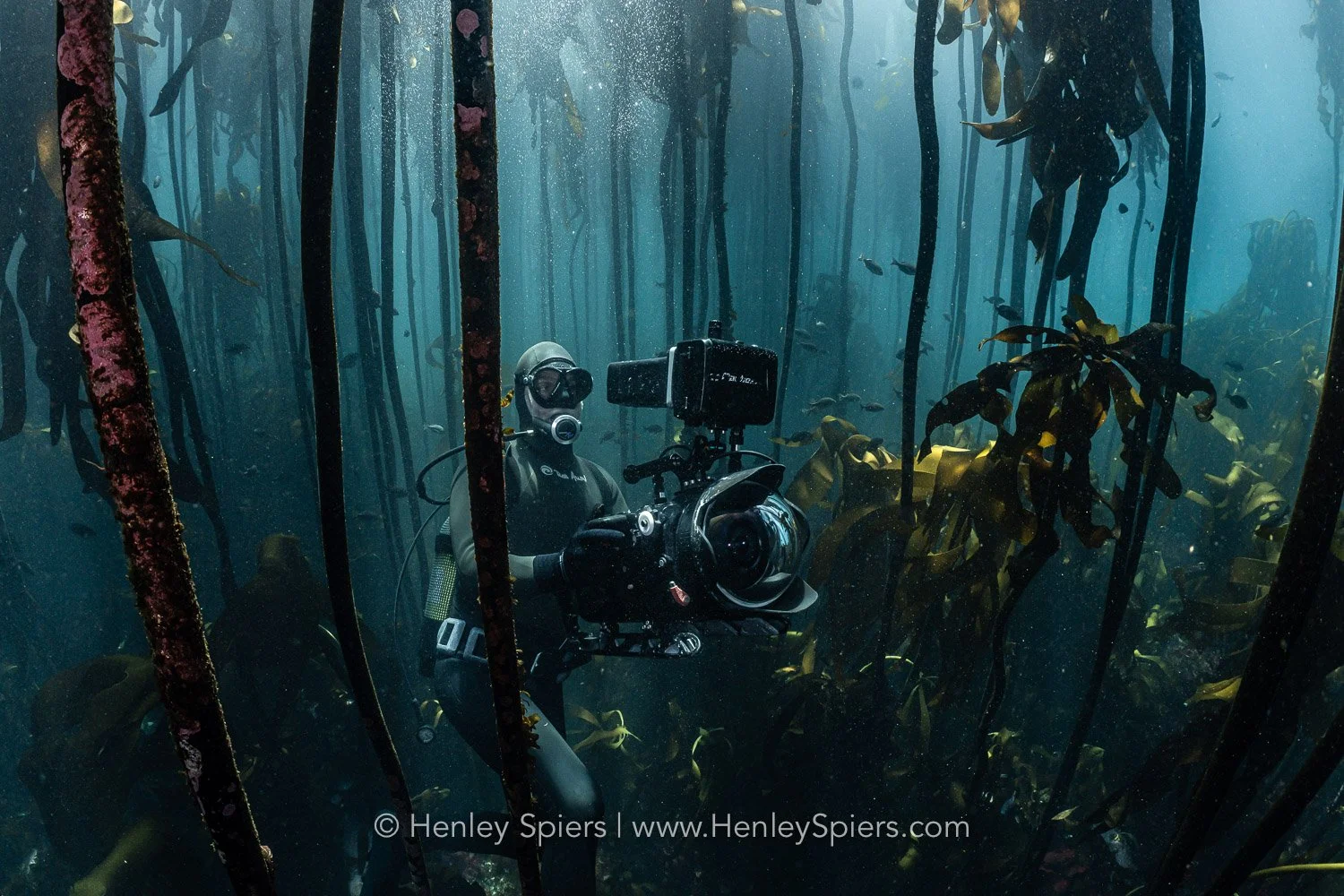
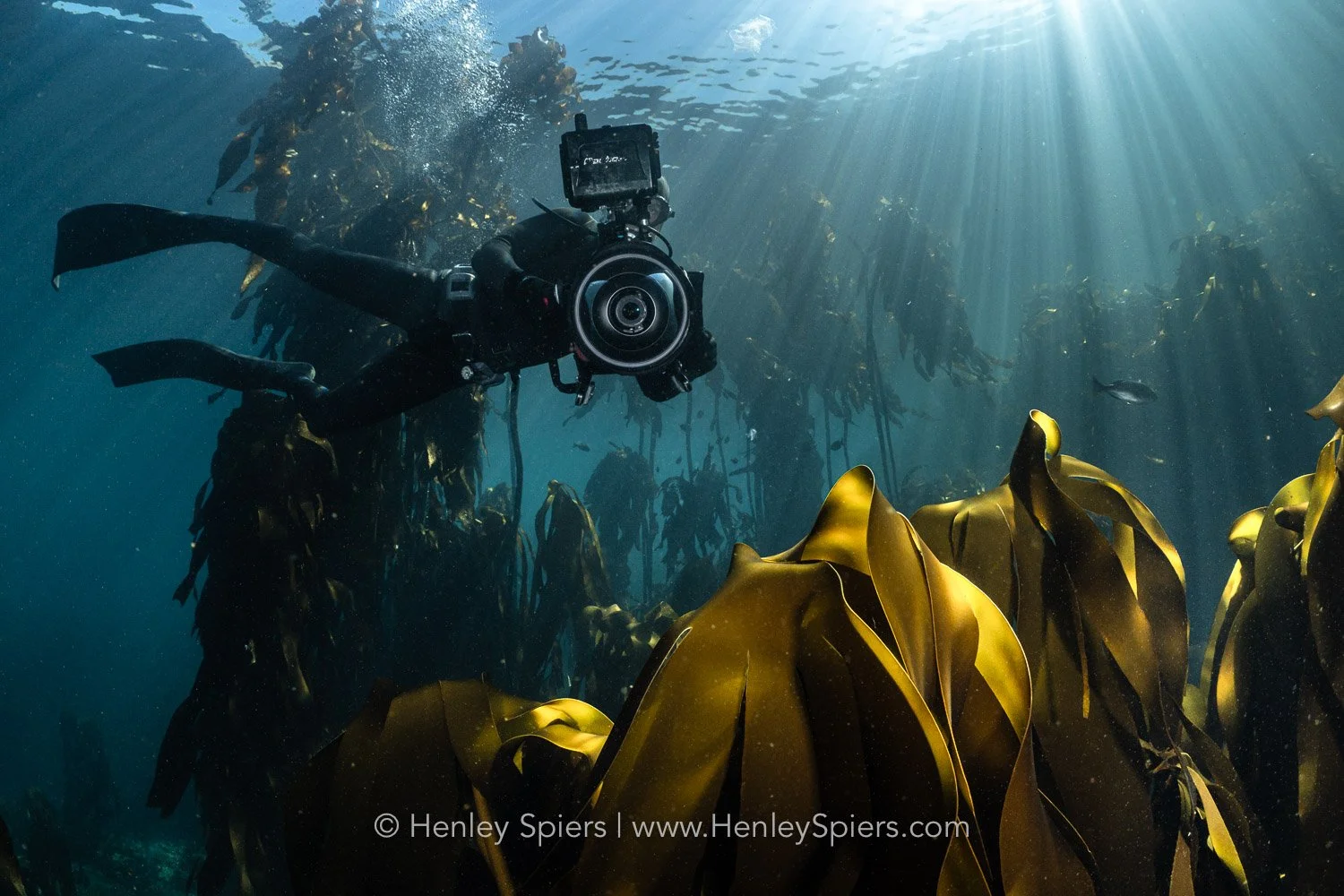
Q: How did your professional reputation begin to form?
A: I became known for blue-water work—fast, dynamic situations involving big, charismatic animals like dolphins, sharks, whales, and crocodiles. My freediving background meant I could move quickly and decisively underwater. I also specialised early. In this industry, you can’t be a jack of all trades. You have to be very clear about what you do well.
“The sequence became one of the most memorable moments in Blue Planet II. It also created an archive of footage that later became the foundation for My Octopus Teacher.”
Q: Your collaboration with Craig Foster was pivotal. How did that relationship evolve?
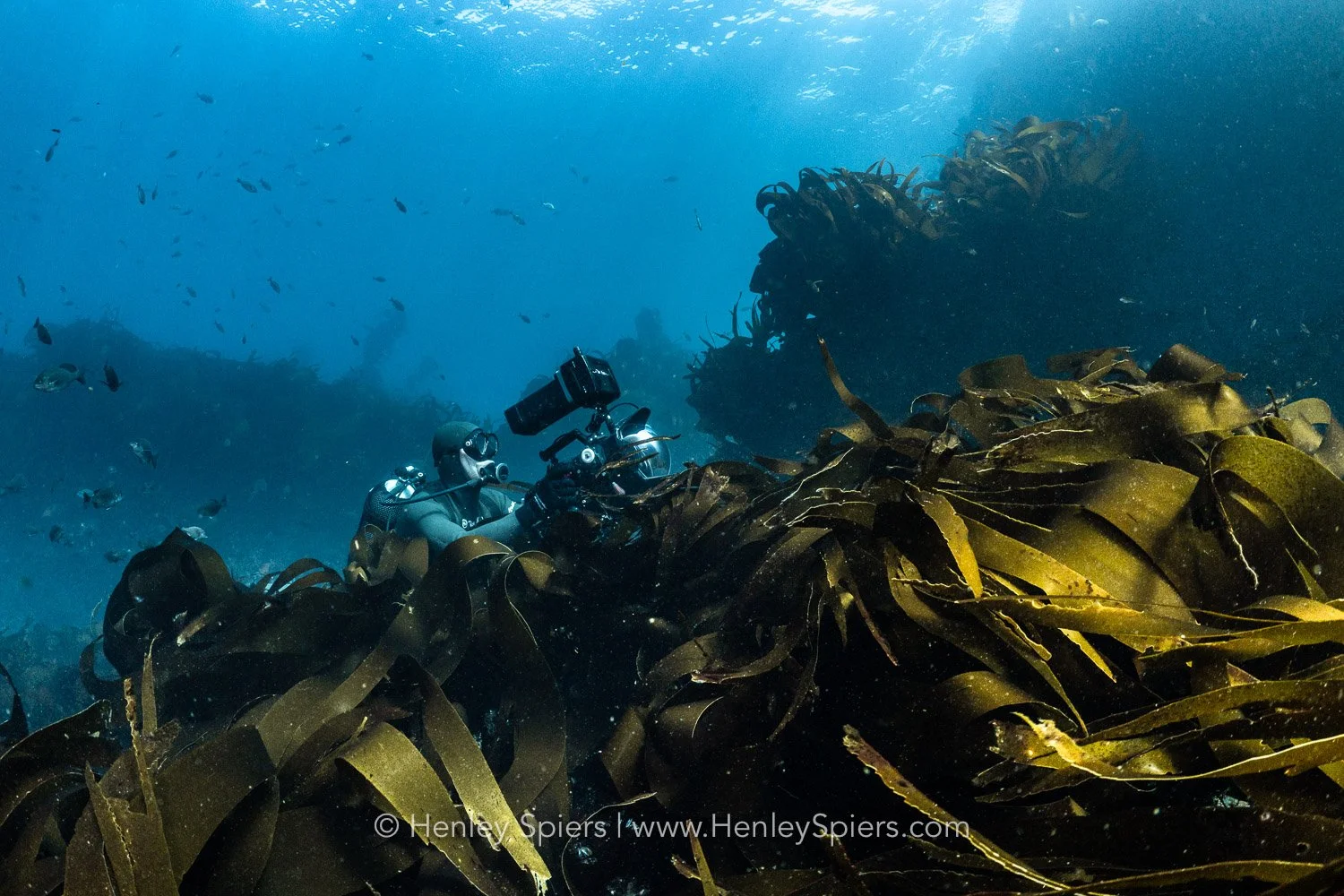
A: Craig and I had known each other through earlier projects, including crocodile films where I was both behind and in front of the camera. When I pitched a kelp forest story to Blue Planet II, it wasn’t strong enough initially. Through conversations with Craig, it evolved into the “Armoring Octopus” sequence. We spent an enormous amount of unpaid time filming in the kelp forest, investing ahead of any guaranteed revenue.
Q: That sequence became iconic. What impact did it have on your career?
A: It was transformative. The sequence became one of the most memorable moments in Blue Planet II. It also created an archive of footage that later became the foundation for My Octopus Teacher. It’s a perfect example of investing ahead of the revenue curve—believing in something before there’s any certainty it will pay off.
Q: My Octopus Teacher went on to win the Academy Award. How did you experience that moment?
A: Awards are a bit of a roulette, but being recognised by your peers is incredibly meaningful. My Octopus Teacher isn’t really a natural history film—it’s a human story about connection, belonging, and healing, told through the kelp forest. The Oscar felt like validation, not just of that project, but of the long road that led there.
“The goal is always to evoke emotion at the same time as sharing relevant information about the story”
Q: How would you define your role as an underwater cinematographer?
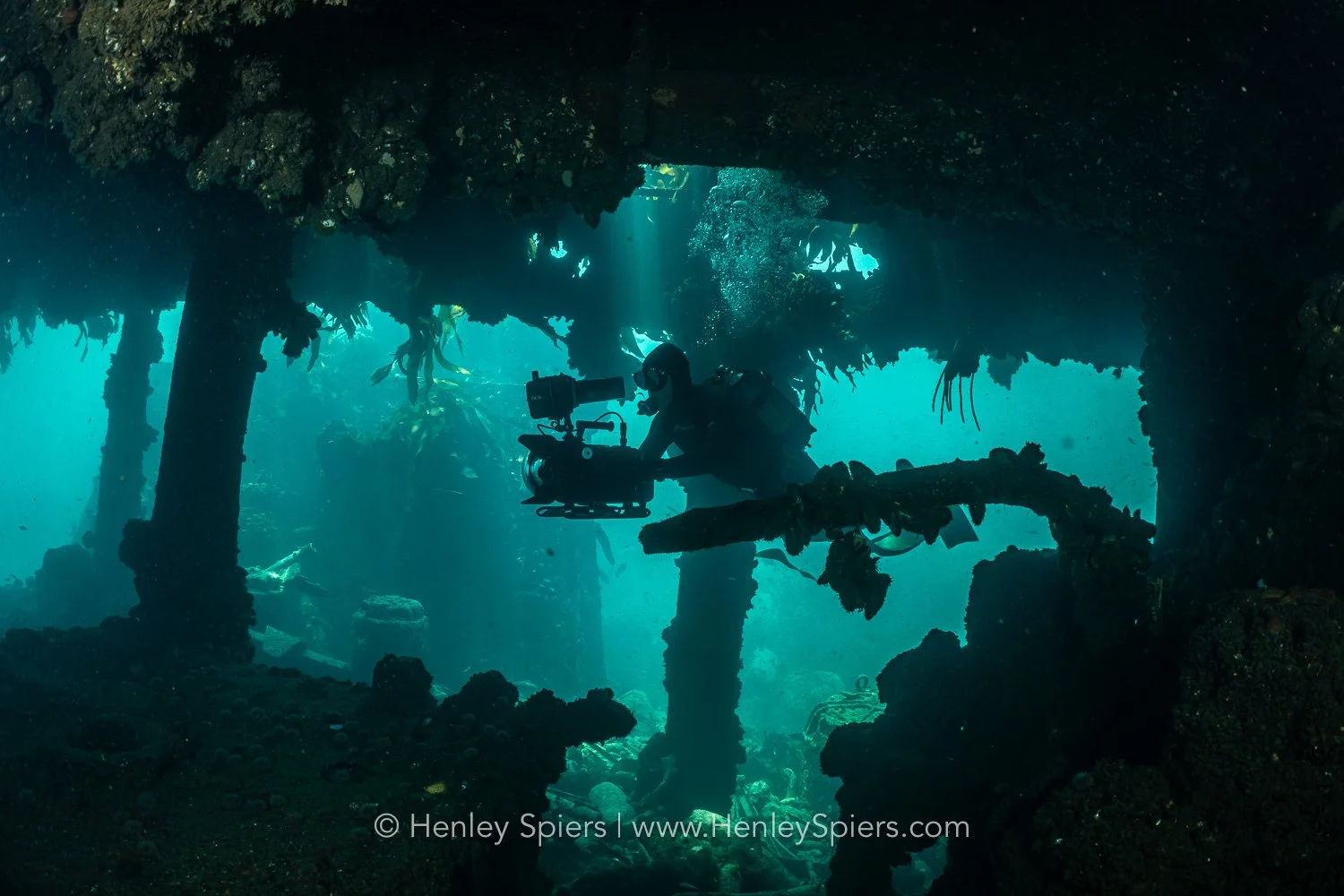
A: In natural history, we’re effectively the director of photography in the field. Our job is to take a loose story outline and translate it into a comprehensive set of rushes that allow editors and directors to craft a compelling sequence or short story… Every decision you make with your camera (Composition, coverage, lighting, movement) communicates something. The goal is always to evoke emotion at the same time as sharing relevant information about the story, and to give the editor enough coverage to tell the story clearly and powerfully.
Q: What skills are essential at the highest level of underwater cinematography?
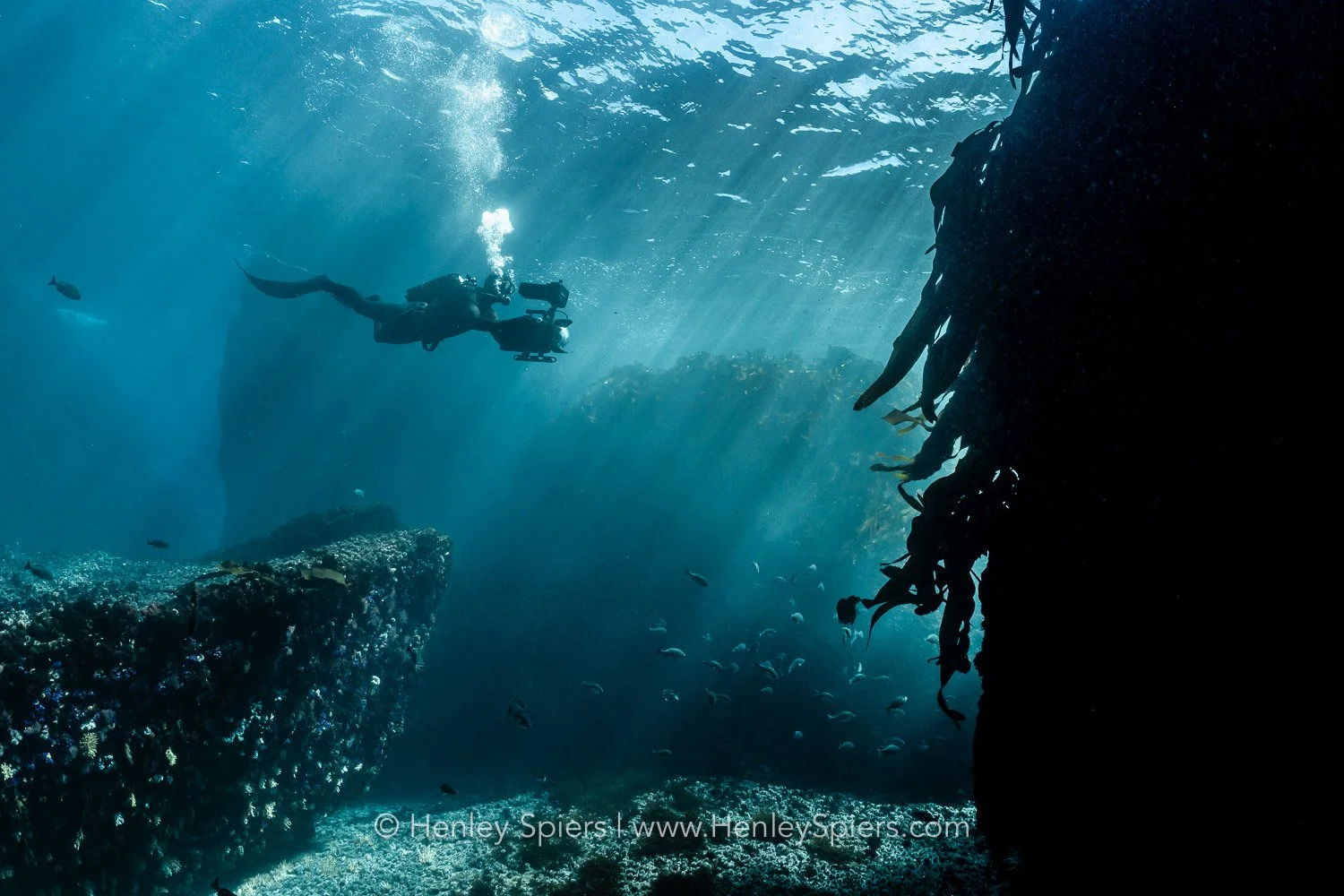
A: First and foremost, bulletproof water skills. Diving has to be completely second nature. Then there’s fieldcraft—knowing how to find animals, approach them, and work with them respectfully. Speed and decisiveness are critical, as is a deep understanding of story. Finally, relationship skills matter enormously. This is a small industry built on trust, and you’re often living and working in close quarters for long periods.
Q: What are the greatest challenges of the profession?
A: Time away from home is the biggest one. You’re often gone for long stretches, which can strain relationships and make it hard to commit to personal plans. Income can also be unpredictable. Even at the top level, there’s uncertainty. But for me, the rewards—adventure, creative fulfillment, deep friendships, and access to the natural world—far outweigh the downsides.
Q: What advice would you give to someone aspiring to follow a similar path?
A: You have to believe it’s possible while accepting that it’s unlikely. Focus on building skills you can control—diving, fieldcraft, storytelling, and relationship-building. Create multiple income streams to stay financially viable. Get as close to the industry as you can, even in junior roles. And when opportunities come, be decisive. Preparation is everything.
“You have to believe it’s possible while accepting that it’s unlikely. ”
Q: You’ve recently launched the Ocean Footage Mastery program. What motivated that?
A: I’ve always believed in having multiple revenue streams, and I have a strong digital background. As the industry slowed down, it created space to build something educational at scale. The program combines curriculum, live coaching, and community, and it’s been incredibly rewarding. It’s given me a sense of purpose between shoots and a way to give back to the industry that’s given me so much.
Q: Looking back, how do you understand your career now?
A: For me, it all comes back to belonging—where you belong, who you belong with, and how you relate to the environment around you. This career has given me meaningful relationships, a deep connection to the natural world, and a sense of having applied myself fully. Whatever happens next, that feels incredibly grounding.
To find out more about Roger Horrocks please visit his website: https://www.rogerhorrocks.com/
Or Instagram: https://www.instagram.com/rogerhorrocks/
To find out more about his Ocean Footage Mastery Programme head here: https://www.oceanfootagemastery.com/